Filming Train Dreams feels like it should have been impossible. Directed by Clint Bentley, the period drama is filmed mostly outdoors in the Pacific Northwest forests. Forget waiting for airplanes to pass overhead; the film required a slew of locations, from virgin timber stands to deforested hillsides. Not to mention dependence on natural light.
That challenge may be exactly why cinematographer Adolpho Veloso laughs when asked how he pulled it all off. “I have no idea either,” he jokes, before admitting that the process was less magic than discipline. TrainDreams had to feel lived-in, not reconstructed.
That meant shooting nature as a character. The production designer, Alexandra Schaller, built everything on location, including a fully practical cabin positioned not just for aesthetics but for where the sun would fall, how the windows framed the landscape, and how candles could illuminate faces without betraying the film’s naturalistic approach.
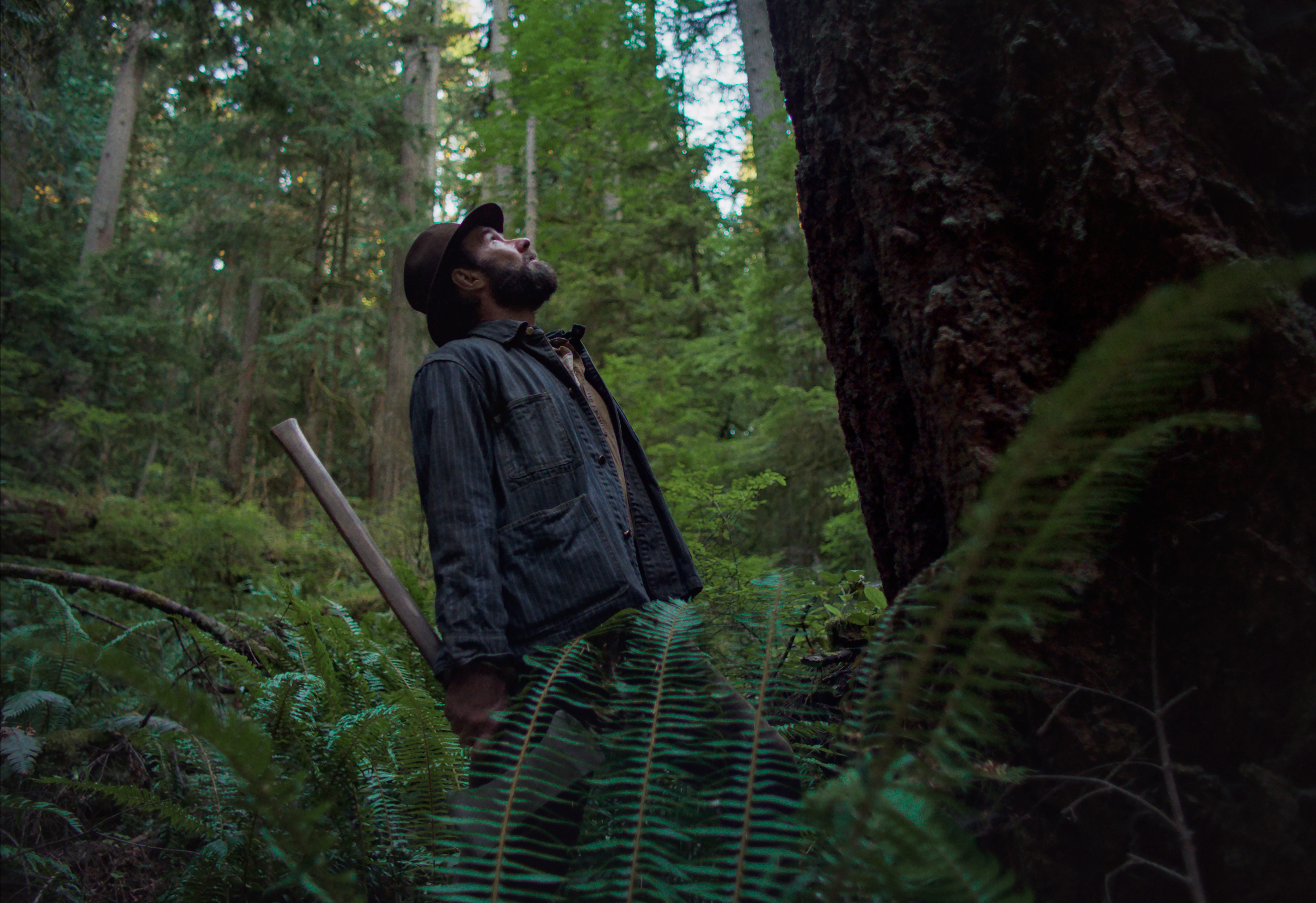
Veloso lit almost nothing with traditional movie lights, instead using candles, oil lamps, and campfires. “I still have to light the movie,” he says. “I’m just not lighting it with the lights you expect.”
Location scouting meant an odyssey across Washington State, looking for forests untouched by civilization and forests clearly altered by it. And while the team found extraordinary pockets of wilderness, there was always the practical challenge: It had to feel unreachable, but still accessible to trucks full of gear. Veloso, who has shot in the Amazon, came prepared for the realities of deep nature, from shifting weather and dim canopies to sudden humidity. Planning only gets you so far; the rest, he says, is embracing whatever the world gives you.
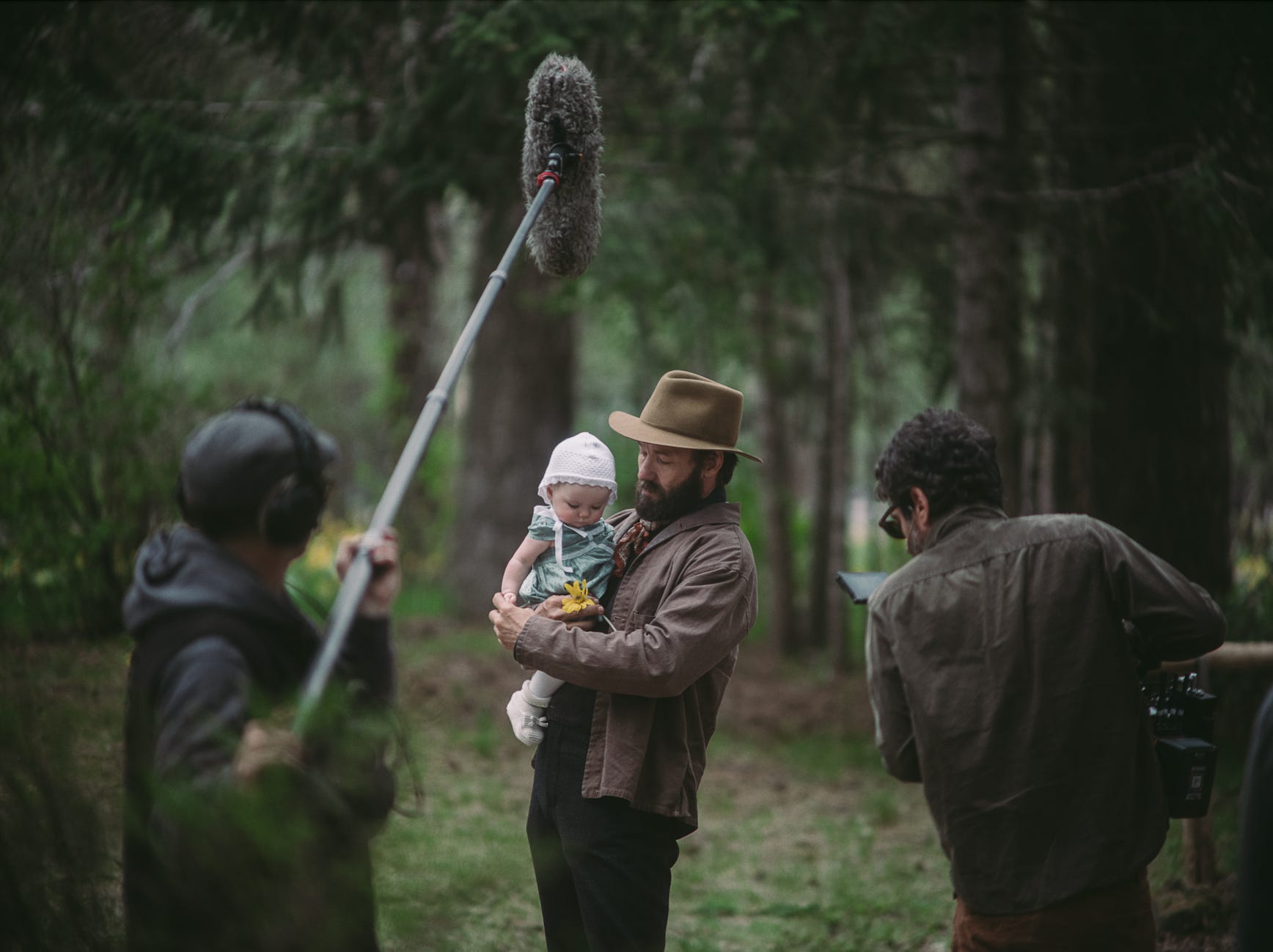
The film’s evolving visual language was established in prep. Veloso divided Robert’s life into three aesthetic phases. His childhood and adolescence were shot entirely with static frames, like memories. Adulthood used everything from a dolly to handheld to a crane for a sense of immediacy. And in the film’s final scenes, when Robert is an old man, Veloso returned to stillness, this time to impart a sense of rootedness for Robert’s life at long last.
There were no easy days. How could there be when the whole film was shot in 29 days in 99% natural lighting? The enormous wildfire sequence was the only time Veloso used large artificial lighting, utilizing an immense wall of lights that later became a digital inferno. Everything else relied on the sun, flame, and instinct.
Adolpho Veloso is an ASC-nominated cinematographer whose credits include Jockey, Rodantes, and Mosquito. As for craft services, he says that nothing will ever beat the thing he misses most from Brazil: fresh coconut water. “ In a coconut,” he stresses. “Not a box. It’s straight from the coconut.”

 Meet Me at Crafty
Leave a comment