I realized something: I don’t have to answer to anyone but my bartender. Which means that stories that live on a maybe-someday list don’t require explanation or defense. Welcome to a new recurring Crafty series that will take a closer look at dearly departed series I love and want to know more about. And there was never any other choice for the first installment of “Leftovers Are Today’s Special” than CBS’s one-season 2008 series Swingtown.
The way costume designer Jill M. Ohanneson talks about Swingtown is the way I talk about Swingtown: as a collection of beloved friends that you really miss getting to see on a regular basis. For her, designing the costumes for the 1976-set show was “dessert all the time”; it was a show about sexual revolution, suburban reinvention, and female friendship that let her do the thing she loves most: track a character’s inner life through what they’re wearing, scene by scene, party by party, pool by pool.
Ohanneson didn’t design the pilot; that was Mark Bridges. She came in after, invited by producer Alan Poul (whom she knew from Six Feet Under) and showrunner Mike Kelley. What she inherited was a strong foundation—color palette, silhouettes, a sense of the world—but also the luxury of that old-fashioned pause between pilot and series. “Everyone had time to live with the material,” she says.
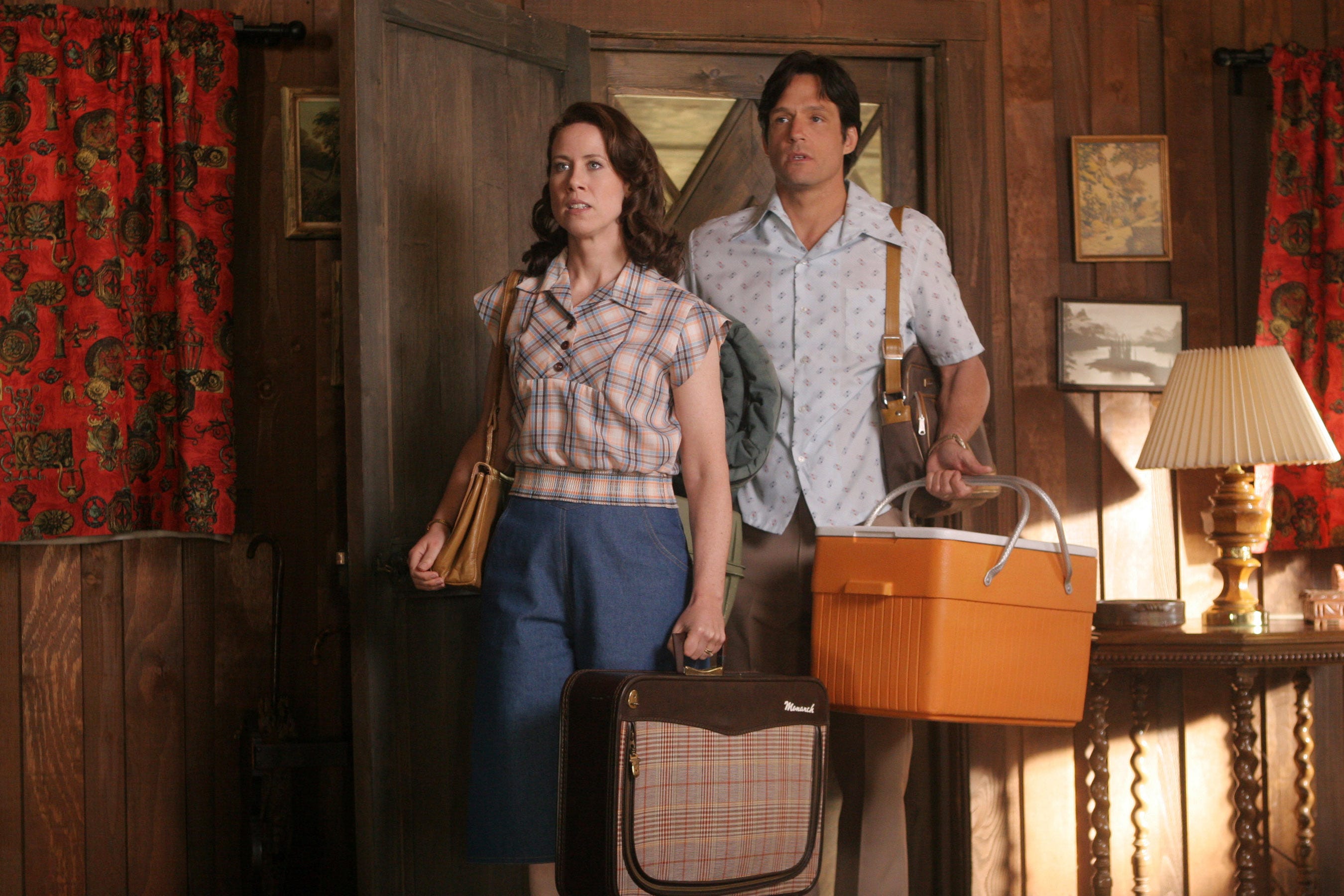
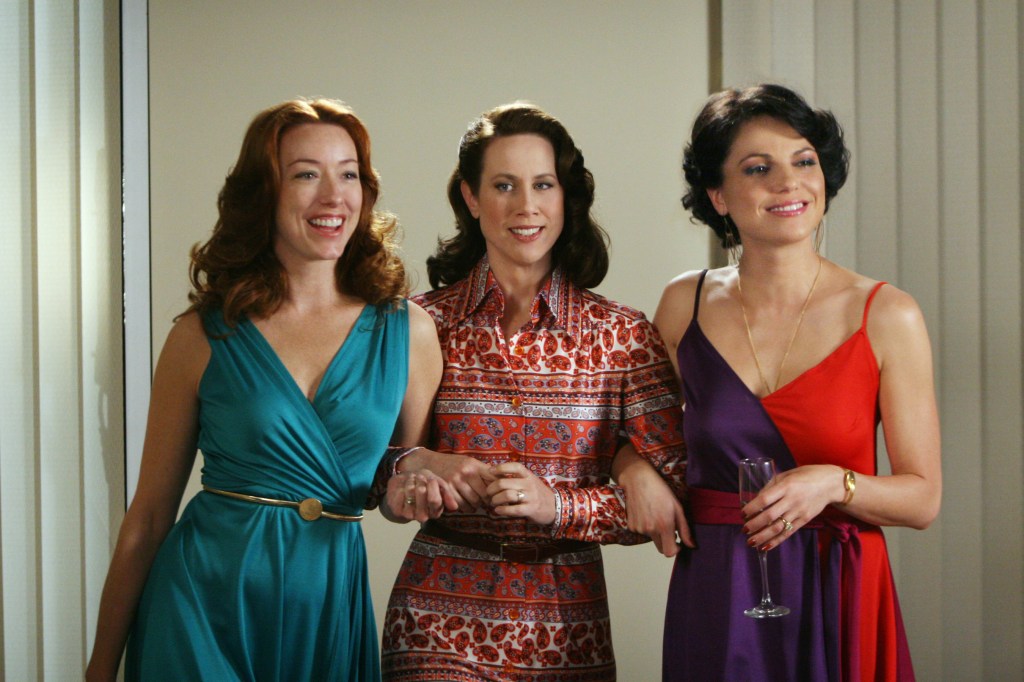
The writers were deepening the characters, the actors were thinking about arcs, and Ohanneson was making lists of what worked in the pilot and what didn’t. Laurie, the teenage daughter, for instance, read a little too grown-up; Molly Parker’s Susan Miller needed visual room to evolve; Trina and Tom Decker (Lana Parilla and Grant Show), that gloriously hedonistic couple next door, had to feel instantly freer than the newly arrived Millers.
If the characters begin the show as clear-cut archetypes, that starts to dissolve within a handful of episodes, as everyone grows in unexpected ways. That whole story is there in Ohanneson’s clothes, told with color, pattern, texture, and silhouette, and deployed ruthlessly and with great pleasure to chart each character’s arc.
Susan starts in a softer, earthier tone before her clothes brighten and loosen as she edges toward a new version of herself. Janet (Miriam Shor), clinging to a vision of respectability that’s already past sell-by, is visually confined in stiff cottons and tight prints that never quite relax. And Trina gets the sensual drapes and punchy ‘70s colors that befit a woman who casually hosts orgies and offers Quaaludes.
And then, of course, there are the men’s swimsuits. I bring up one of the most gasp-inducing shots of the series—Josh Hopkins’ Roger emerging at Trina’s pool party in a borrowed suit, water dripping from his abs—and thank her, on behalf of a grateful nation, for the male swimwear of Swingtown.
“I had beautiful, wonderful bodies and characters to work with,” she says. “Oh my God, Grant Show! It didn’t matter what you put on that man; just the way he walked was sex on a stick. He embodied the kind of sexual freedom and freedom of self that I remember from that period.”
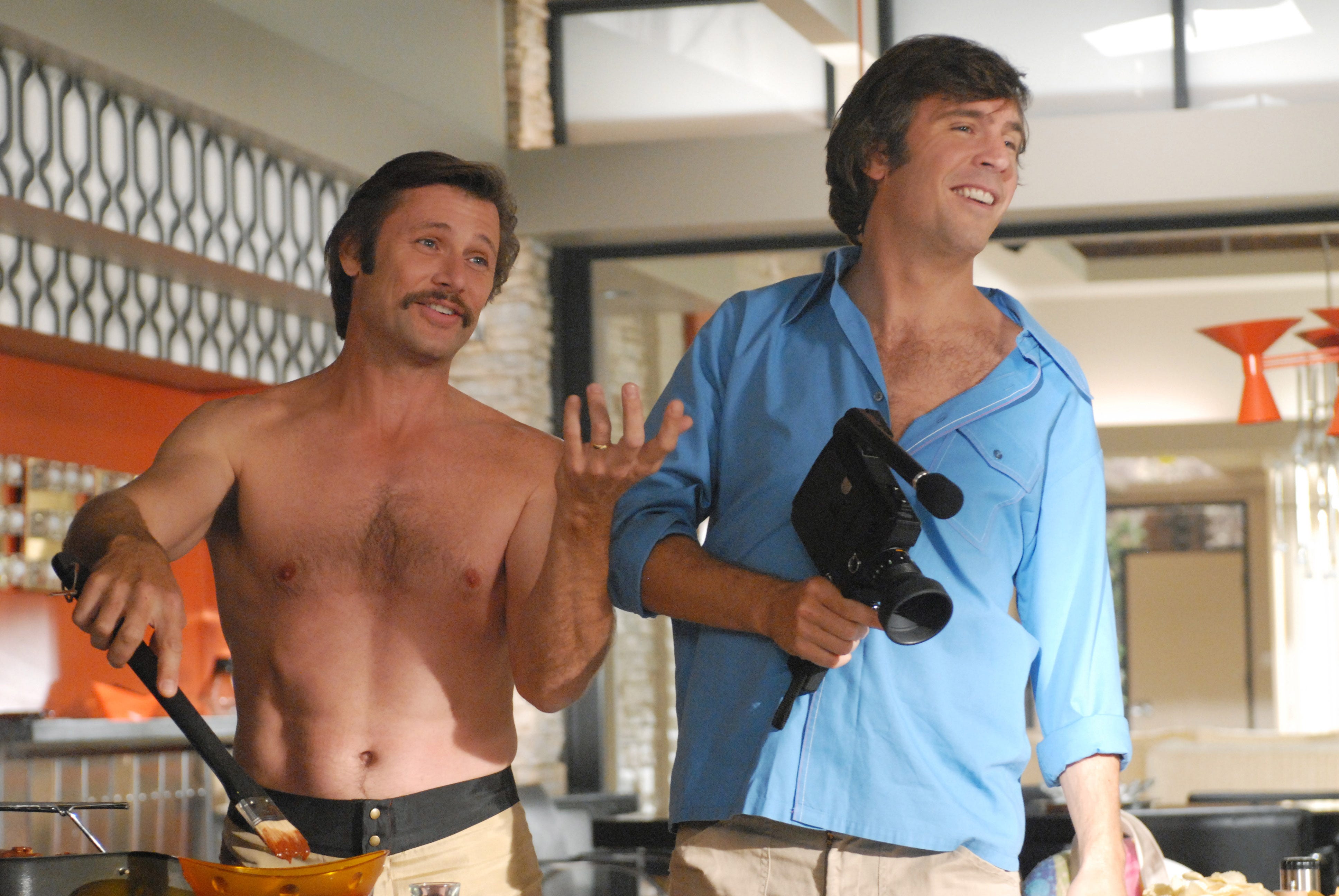
Part of why the show feels so lived-in is the authenticity of the clothes. And not period accurate. Ohanneson estimates that up to 80% of the clothes were vintage. (Turns out, polyester really does hold up.) She and her team raided every major costume house in town, hit the Rose Bowl regularly, and scooped up pieces at vintage fairs before the real money in online resale announced itself. “It wasn’t as hard as I thought,” she says.
For the things that couldn’t be found, she had a secret weapon: a cutter-fitter who’d worked with Bob Mackie and Cher and could build anything from scratch. They used that talent sparingly, but it meant that when Trina needed something that didn’t exist yet in a rental house, Ohanneson could dream it into reality.
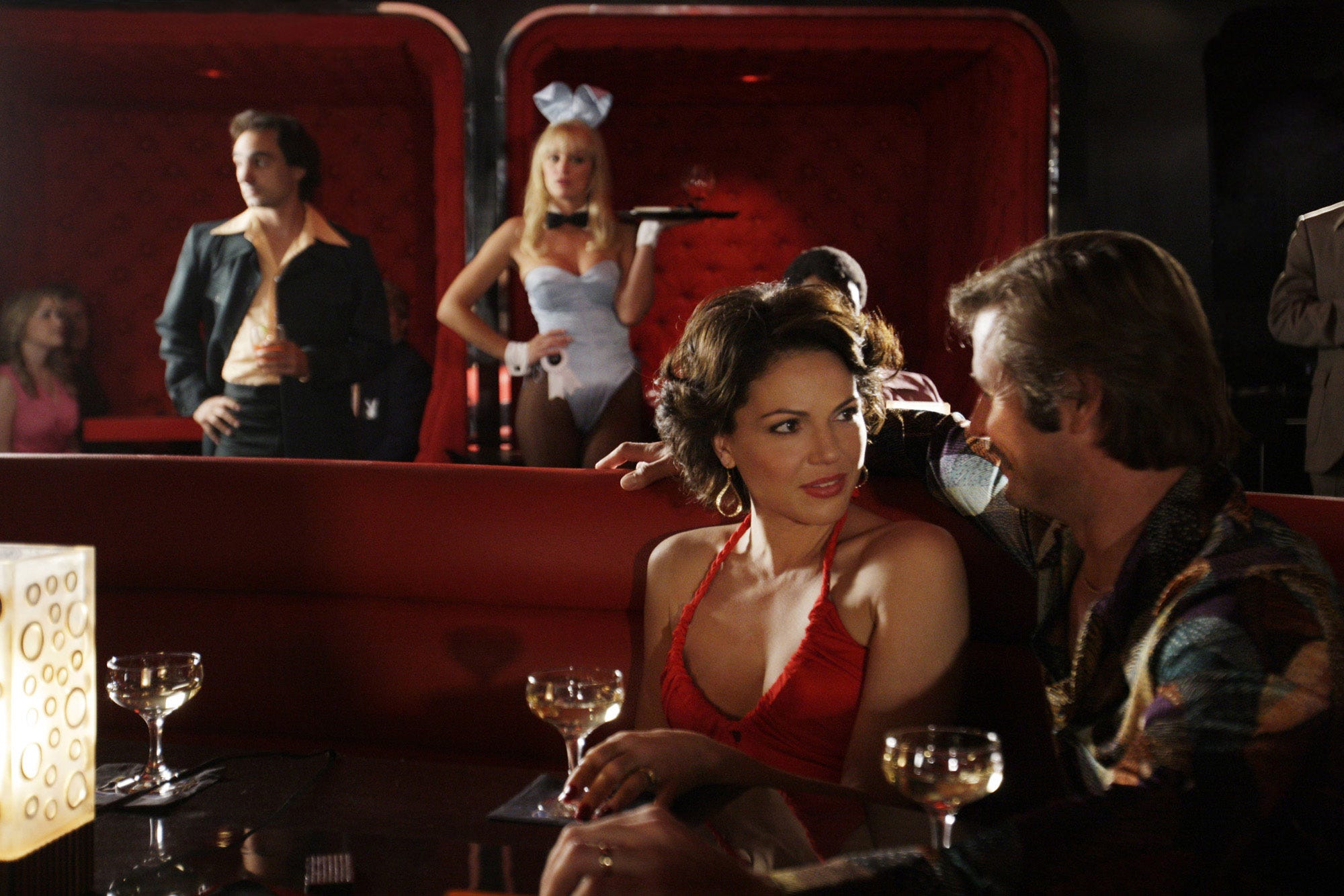
Sometimes that dedication to realism got very literal. For the Playboy Club episode, Ohanneson assumed she’d be building Bunny costumes in-house. Nope. Playboy insisted they be the real thing, sending period-correct Bunny outfits in the actresses’ measurements straight from the company.
If you were wondering: yes, the production was as fun as the wardrobe suggests. Shot in Los Angeles, mostly on stages and in carefully chosen neighborhoods standing in for Chicago suburbs, Swingtown benefited from a crew that genuinely wanted to be there. Ohanneson talks about working hand-in-glove with production design, hair, makeup, props, everyone calibrating each new gala or key party: What’s the palette? Who owns the room in this scene? When is it Trina’s moment, and when is it time to let Janet pop, or Susan quietly glow in the corner? “Everybody really got to be their most creative,” she says. “We all had a blast.”
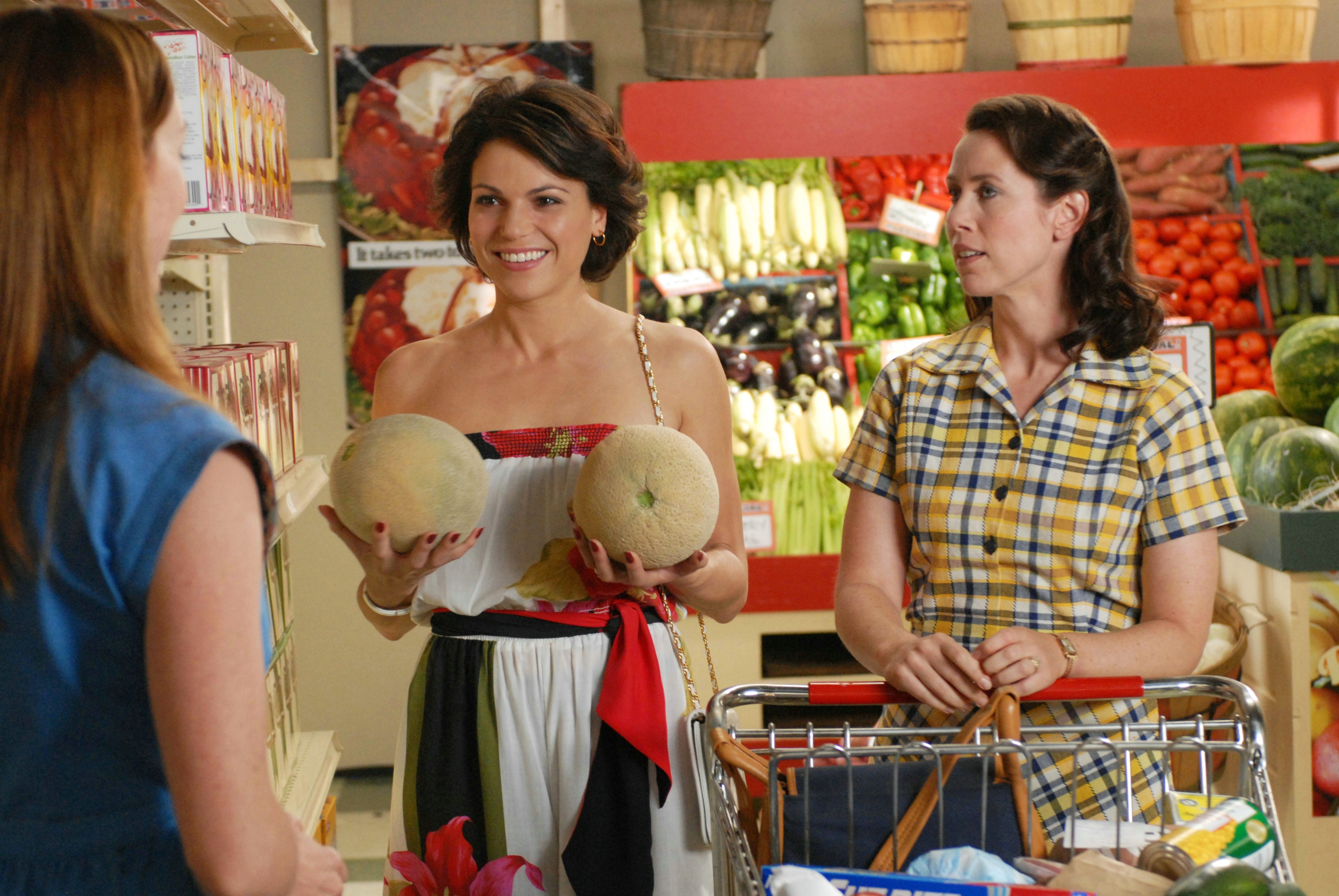
In true network-TV fashion, there was never a real opportunity to plan a second season before the show was cancelled; everyone scattered once the initial order wrapped, waiting to see if CBS would blink. Still, like the rest of us, Ohanneson can’t help wondering where it might have gone: the new relationships blooming in the finale, the friendships under pressure, the question of whether rooting for Susan and Roger to be together is worth it if it blows up the complicated, beautiful friendship between Susan, Trina, and Janet. “Incredible writing,” she says. “Mike Kelley left so many ways for it to go.”
We’ll never know what Season 2 would have looked like. What we do have is 13 episodes that feel, in her words, like “a really rich meal”—dense and decadent and best savored slowly. For almost two decades, the characters of Swingtown had been my annual ritual: I begin the first episode on July 4 and watch them all through Labor Day—also the setting for the series finale—armed with tequila and Fresca.
 Meet Me at Crafty
Leave a comment