Everyone wants to talk about the gowns. Which is fair! Jennifer Lopez descends into the musical dreamscape of Bill Condon’s Kiss of the Spider Woman wearing hand-beaded, custom-built glamour that suggests MGM Technicolor melting into a nightclub fantasia. But if you talk to costume designer Christine Cantella, who worked alongside Colleen Atwood, she’ll tell you that the first thing they had to solve wasn’t glamour—it was physics. The dancers needed to move in ’40s-era costumes and still look like the fever dream of a studio musical that exists only in memory.
That necessitated trips to Western Costume and Motion Picture Costume Company, pulling vintage gowns because the fabrics they wanted simply don’t exist anymore. “There’s nothing like those fabrics out there in the world anymore,” Cantella says. “We wanted to see the real deal.”
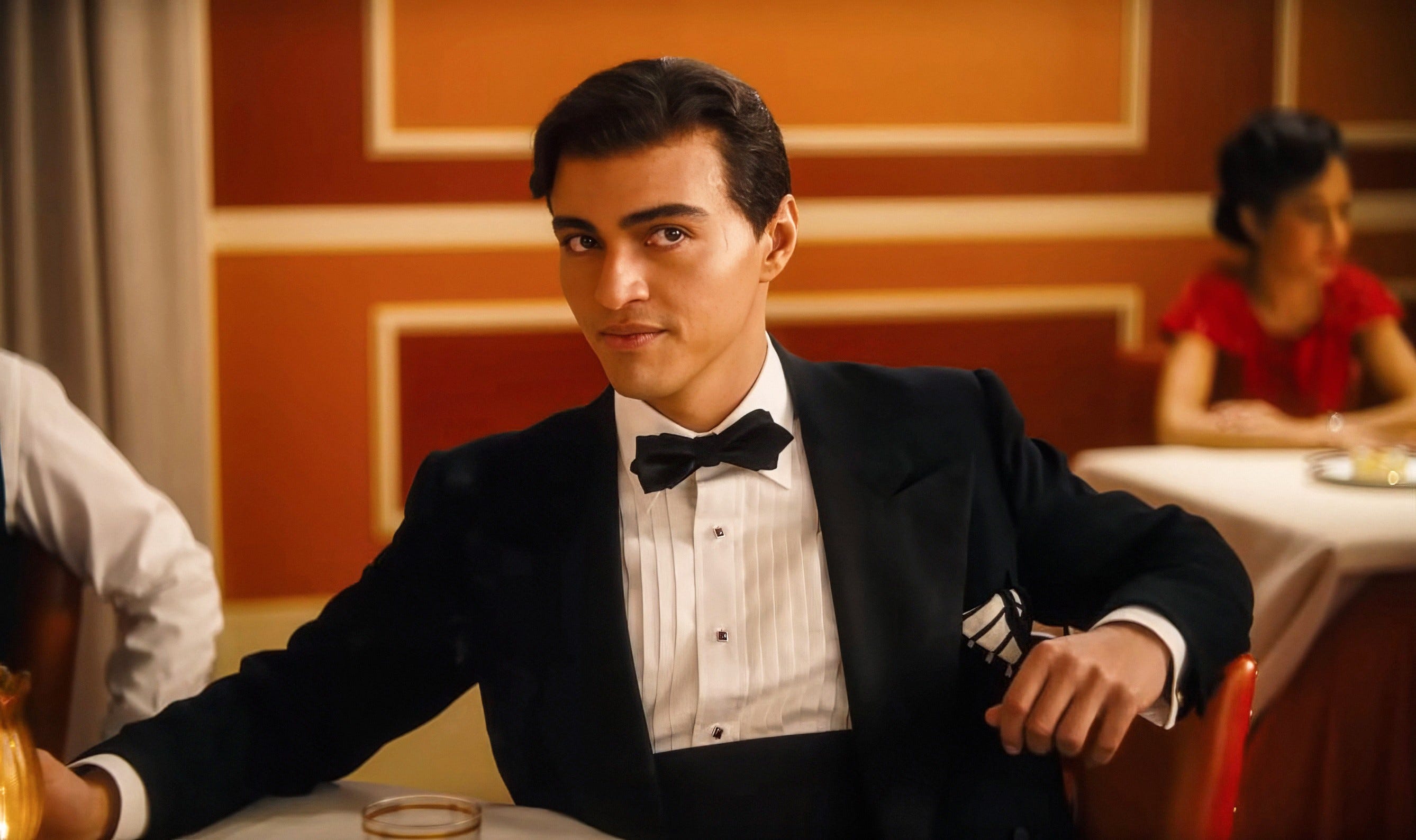
So the team built some pieces—particularly the men’s tuxedos, which had to support choreography and lifts—and deconstructed and re-engineered others. They worked closely with the choreographers from the start, attending rehearsals and quietly thinking, OK, how do we make this dress not fight gravity?
Meanwhile, Lopez’s costumes were built from scratch. That gold dress? “It was all hand-beaded,” Cantella says. Couture work that moved because it had to, filmed under unforgiving scrutiny, and prepped in an expedited prep period.
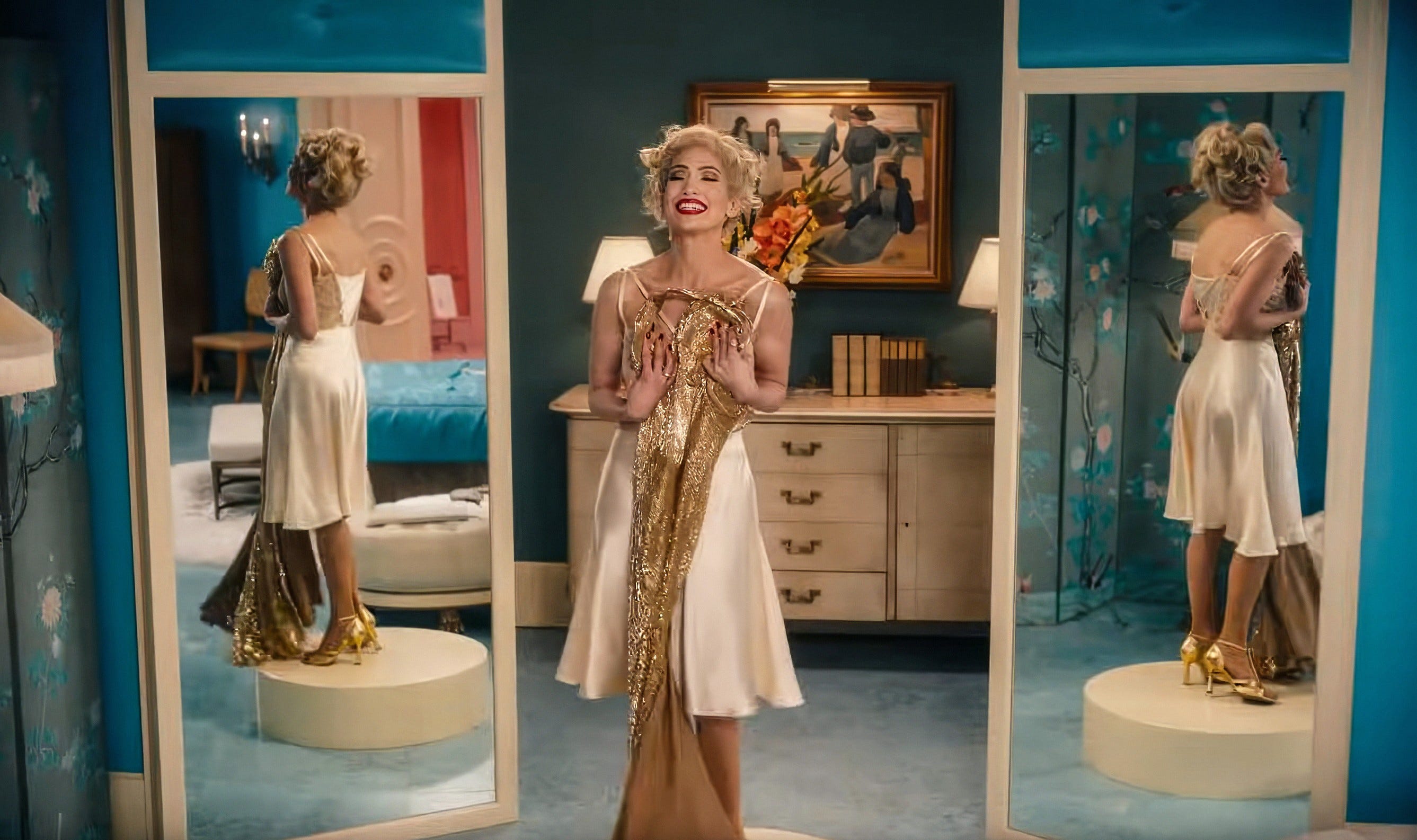
All of this took place while also designing the film’s prison scenes. The musical sequences are heightened, but the prison is stripped down and lived-in. Cantella researched Italian photographer Valerio Bispuri, who documented political prisoners in South America, people taken from the street and held for years in the clothes they wore the day they were detained.
“I tried to pull that in through the aging of the clothes,” Cantella says. “They were there for years, that’s what they had. And maybe a piece here or there that was brought to them by their family that they cherished, a scarf or a small jacket or a wrap.”
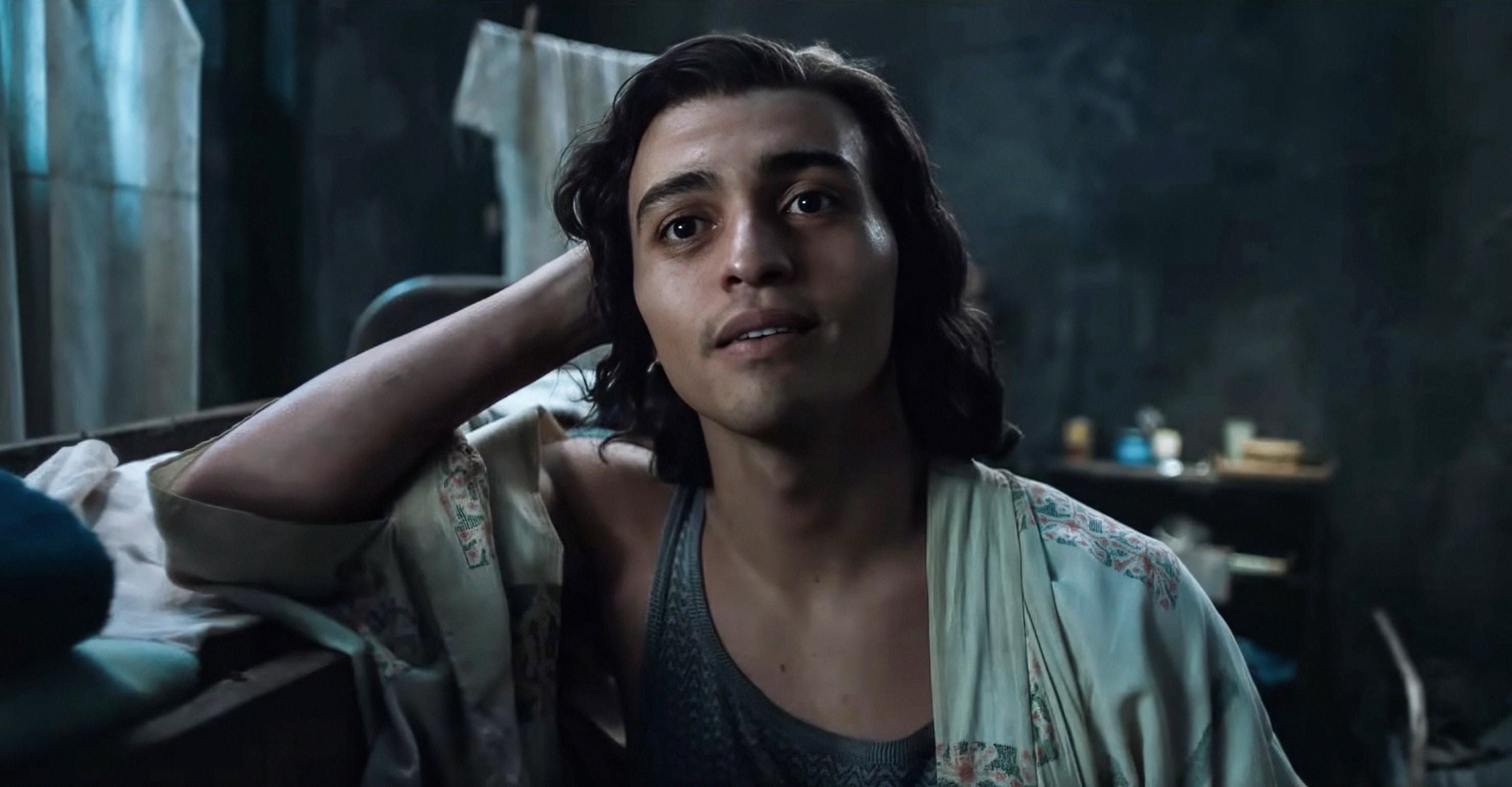
The costumes were aged by hand in New York before fittings—because the Uruguay shoot wouldn’t have the same specialized breakdown artists—and then refined again on location. “We had painters on this one,” Cantella says. “ A lot of that sweat work that you see was hand-done with a brush.”
They shot the prison scenes in an actual prison in Uruguay, where many of the local crew members had personal connections to the era of disappearances the film references. “It still affects people today,” Cantella says. And suddenly the costumes weren’t period research—they were present tense.
Christine Cantella is a CDG Award-nominated costume designer whose credits include Beetlejuice Beetlejuice, Dark Shadows, and Public Enemies. As for a craft services go-to: “Almonds and a coffee. Gotta get a flat white.”
 Meet Me at Crafty
Leave a comment