After four films with director Luca Guadagnino, three as lead editor, Marco Costa sat down for After the Hunt knowing exactly how the edit the luxe, posh new drama. Except for the opening sequence. And that very final moment, the one upends everything that came before. Turns out, like any good partnership, he and Guadagnino still have a way of surprising one another.
“When I read the first scene in the script, I thought, ‘OK, this is more traditional,’” Costa says. “But then Luca told me [his ideas for] the opening sequence. It changed everything for me. The way I saw the footage was different.”
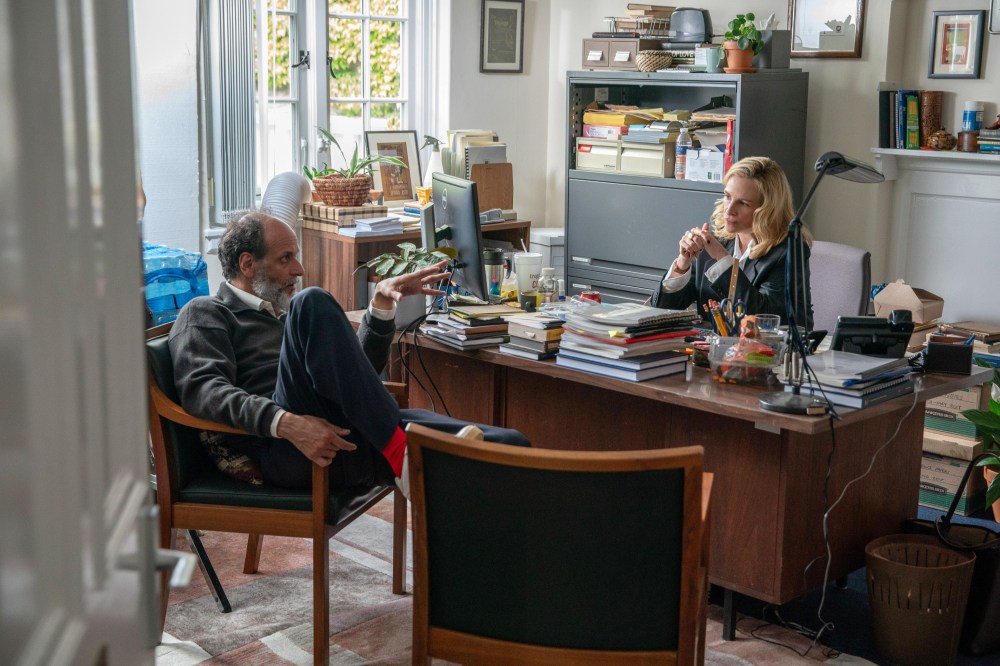
In the film, we are introduced to professor Alma Imhoff (Julia Roberts) over the course of her work day in a staccato, uneasy rhythm, dialogue-free and set to the beat of a metronome. “You can feel the tension,” Costa says. “Something is about to happen. You can feel the psychological pressure on her, because you can see her [gorgeous] world, but you can feel that something is about to happen. And I love the structure of the sound we gave to the scene. Luca wanted to play a lot with the diegetic sound, so sometimes you can hear just one specific sound, but nothing else.”
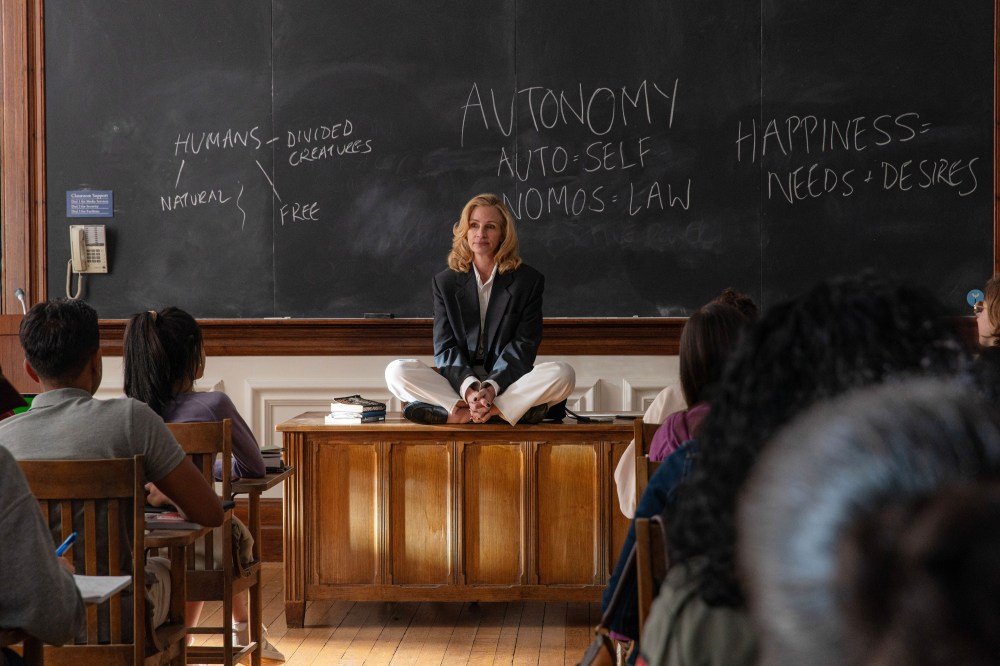
The sequence was the last one to be edited, because Guadagnino wanted the film already in place when Costa began assembling our introduction to the last calm moments in Alma’s life, a jagged, impressionistic take that required sifting through an entire library of metronome sounds for the perfect beat.
That something wicked coming Alma’s way is a reckoning for past mistakes and omissions, cast into the light by the sexual assault accusation of a student, Maggie (Ayo Edebiri) against Alma’s friend and colleague, Hank (Andrew Garfield). The film proceeds to… well actually, the film proceeds to coolly watch as the character grapple with who’s lying, to whom, and how much. And how much does the truth really matter, anyway?
The impressionistic take and Malik Hassan Sayeed’s cinematography provide a razor’s edge to what could be a glossy, distant issues drama. But that fresh interpretation of seemingly tired material is at the heart of Guadagnino’s filmmaking, something that keeps Costa returning.
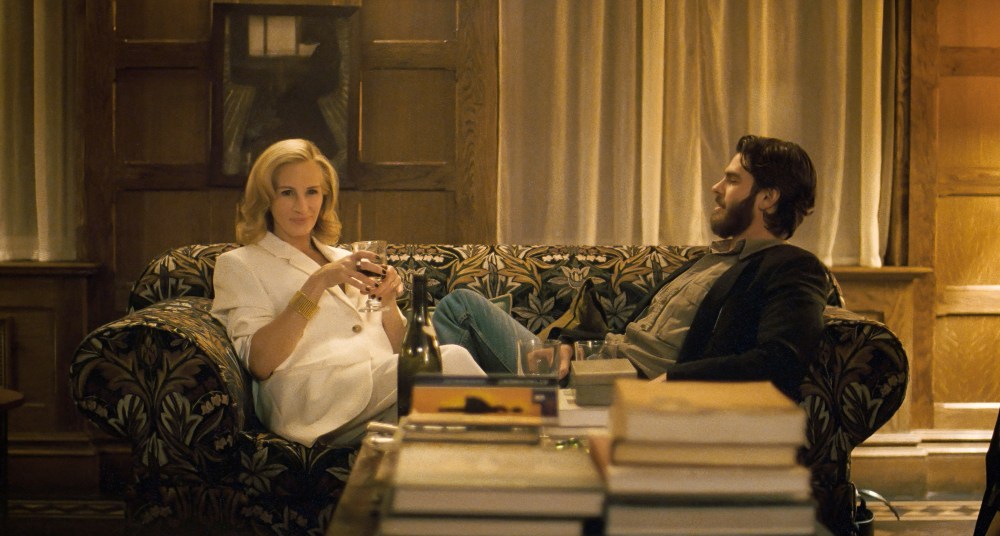
![Andrew Garfield and Julia Roberts in After the Hunt [Amazon MGM Studios]](https://meetmeatcrafty.com/wp-content/uploads/2025/10/mcdafth_mg010.jpg?w=1000)
“Every time on every project, Luca find a way to reinvent himself. And of course, he stimulates you to find a new [editing] language because every project ask for its own grammar,” Costa says. “[In After the Hunt], it’s more about what not to cut. The editing had to step back and leave room for what is already in front of the camera. Sometime the strongest cut is the cut that you don’t notice. I really love this kind of editing because for me, this is cinema I love. That the audience doesn’t feel the presence of the editing.”
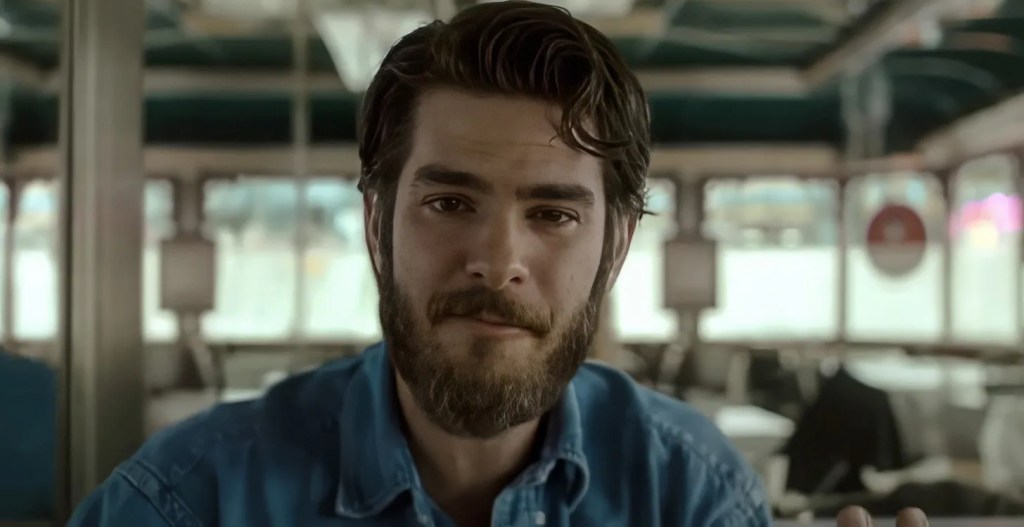
There is one sequence in which the editing comes to the forefront in an almost combative way. At a booth in an Indian restaurant, Hank proceeds to calmly explain his side of what happened with Maggie in between ravenous bites of his enormous meal. And during the sequence, the film abruptly cuts to close-ups of both Roberts and Garfield, staring directly into the camera.
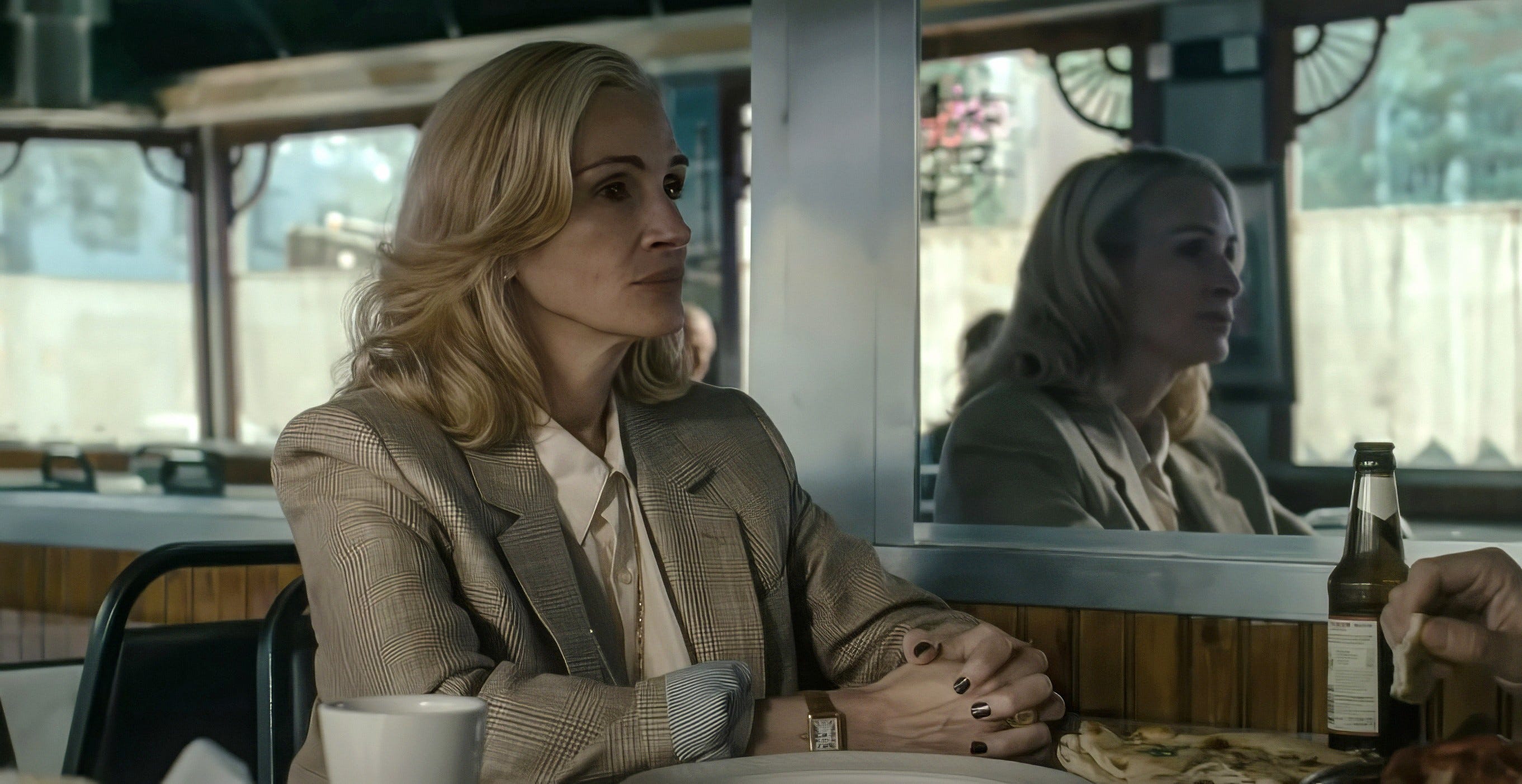
Guadagnino already had an idea for how the scene demanded to play out, so he showed up on set and proceeded to shoot first from this angle, then from that angle. There wasn’t any coverage; he already had the concept mapped out.
“Our philosophy for the editing of After the Hunt is you don’t know who is lying, who is not lying,” Costa says. “Our editing is deliberately non-judgmental. It doesn’t try to push a moral theoretical reading of the characters’ choices. We didn’t want to do a lot of back and forth like in Challengers, because of course Challengers was a tennis match. A lot of back and forth makes sense. But in After the Hunt, we wanted to stay on the character, and you can feel the sense of progression Luca gave to the scene when we change camera angles. You never come back to the first shot at the beginning of the sequence, for example.”
But back to the guiding principle that the editing wouldn’t admit who is lying. The film keeps up that ruse throughout its two-plus-hour running time, until the very final shot of a check on a restaurant table (back at that mirrored Tandoori restaurant). And then we hear Guadagnino’s voice off-camera declaring, “Cut!”
“Oh my God, that wasn’t in the script,” Costa says with a laugh. “We were in the car and he said, ‘I have this idea for the ending. I would like to end the movie with “Cut.”’ I love it because it’s really Godard, you’re play with the meaning of cinema. We are doing a movie about lying, and cinema is lying. The cinema is a lie. You can find a lot of meaning behind this ‘Cut!’”
Marco Costa’s editing credits include Bones and All, Queer, Challengers, and We Are Who We Are.
 Meet Me at Crafty
Leave a comment