Most network procedurals want the cinematography to be crisp and professional, just the facts, ma’am. But for High Potential, it’s the facts themselves that demand more, making DP Mathew Rudenberg’s job more about keeping up with a genius.
The ABC hit is back for a Season 2 that is even more dizzying and dazzling than its first season, bringing to visual life the complicated inner world of Morgan Guillory (Kaitlin Olson), an untrained but uncannily brilliant civilian consultant whose brain doesn’t play by the same rules as anyone else’s. For Rudenberg, that meant inventing new ones. “ That’s one of the things that was immediately appealing about the show, is that there’s so many facets to it,” Rudenberg says. “And so it enables so many approaches, from a visual perspective.”
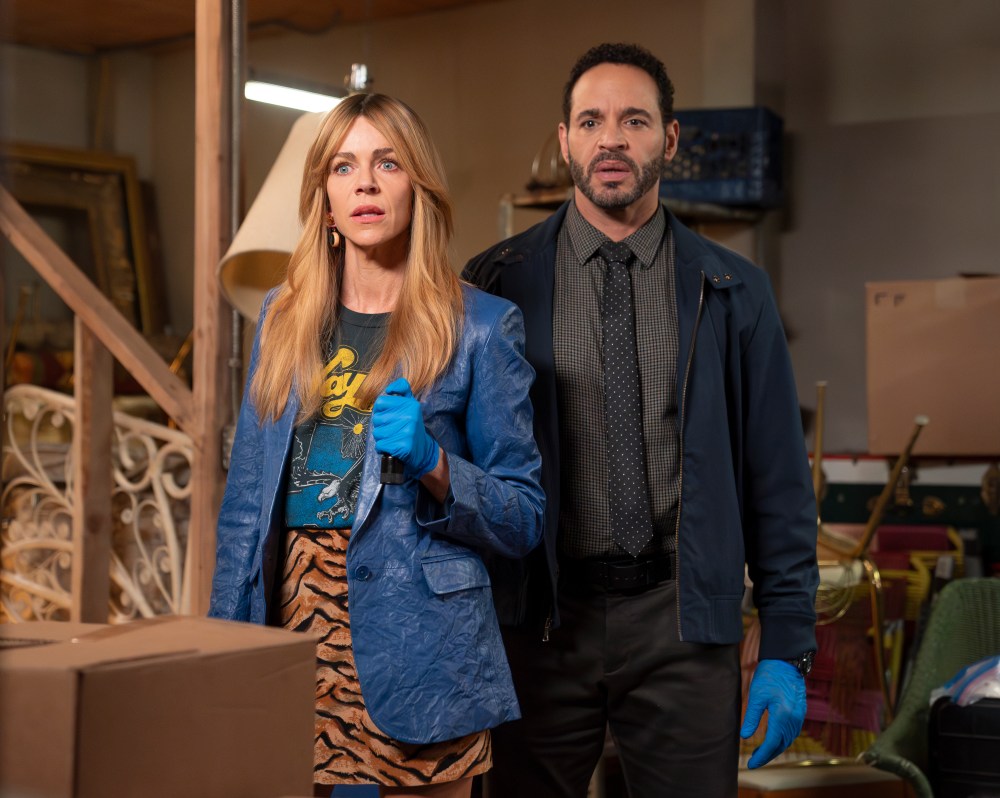
The show’s visual style falls into three categories: a grounded procedural world, cinematic flashbacks, and the hyper-visual “Morgan Visions,” when Olson’s character mentally reconstructs the crime, rewinds memories, or pieces together clues through wildly subjective visuals. For Rudenberg and his camera team, that’s where the chaos (and fun) begins.
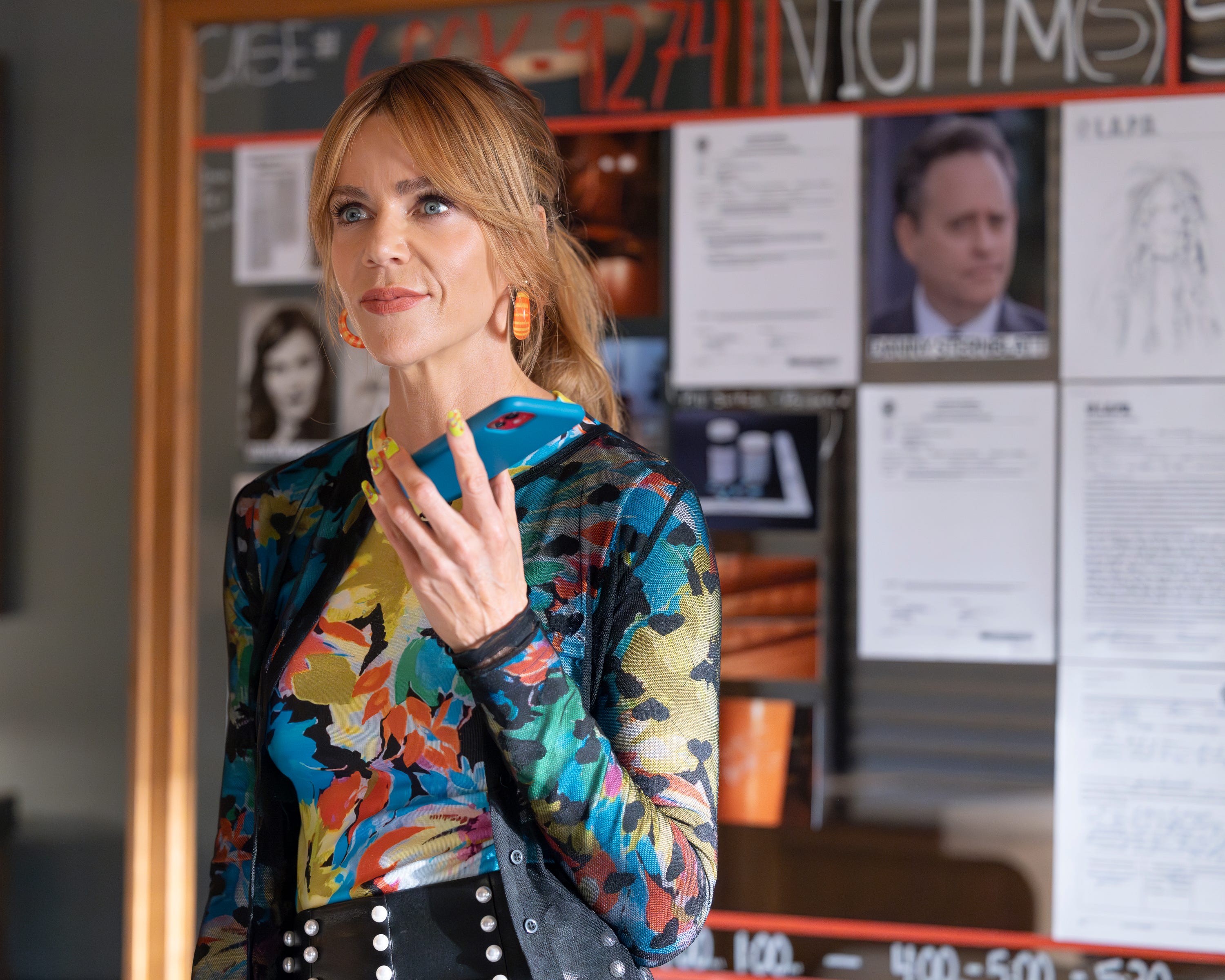
“ When she’s remembering a detail, we love to get really interesting shots,” he says. “We don’t wanna just zoom in and shoot it. We want to get a perspective that the audience wouldn’t normally have. So we use a lot of fun tools like probe lenses or macro lenses or tilt shift lenses to get the camera right in there and scrape past it. It gives you a much more textual perspective.” Sequences often borrow from the visual language of Instagram and TikTok editing to replicate where Morgan might have gleaned a piece of information relevant to the case.
READ: High Potential Costume Designer Sandra Burns Knows That Gams Don’t Negate Brains
Rudenberg and co-DP Amanda Treyz are forever swapping lenses, formats, and film stocks to match Morgan’s stream of consciousness. For a recent sequence in which Bill Nye himself explains how hydrogen peroxide and yeast create foam, they shot with cropped sensors and 16mm lenses to mimic old educational videos. “He pulled my Steadicam operator and said, ‘This is gonna be a dance between the two of us!’ We had looked at the old Bill Nye videos to see how we could make it feel like a Bill Nye video. We cropped the sensor and increased the depth of field to make it feel like video instead of film.”
For a sushi-related case, Rudenberg reached for vintage Japanese anamorphic glass. “There are no rules,” he says, which sounds thrilling except this is a network procedural, so the schedule is intense. “Preparation meets flexibility—that’s my mantra,” Rudenberg says. “We plan everything, then stay open to how the day evolves.” He credits his third camera operator, Ryan Hogue, with capturing the intricate detail shots that the main unit doesn’t have time for. “ He’ll be in another room, setting up these complicated shots where you’re trying to do some very complicated detail work that’s time-consuming. Like, ‘Now you need to do 10 takes to make sure the coin lands on its side.’ Minutia. It’s the only way to make all this happen.”
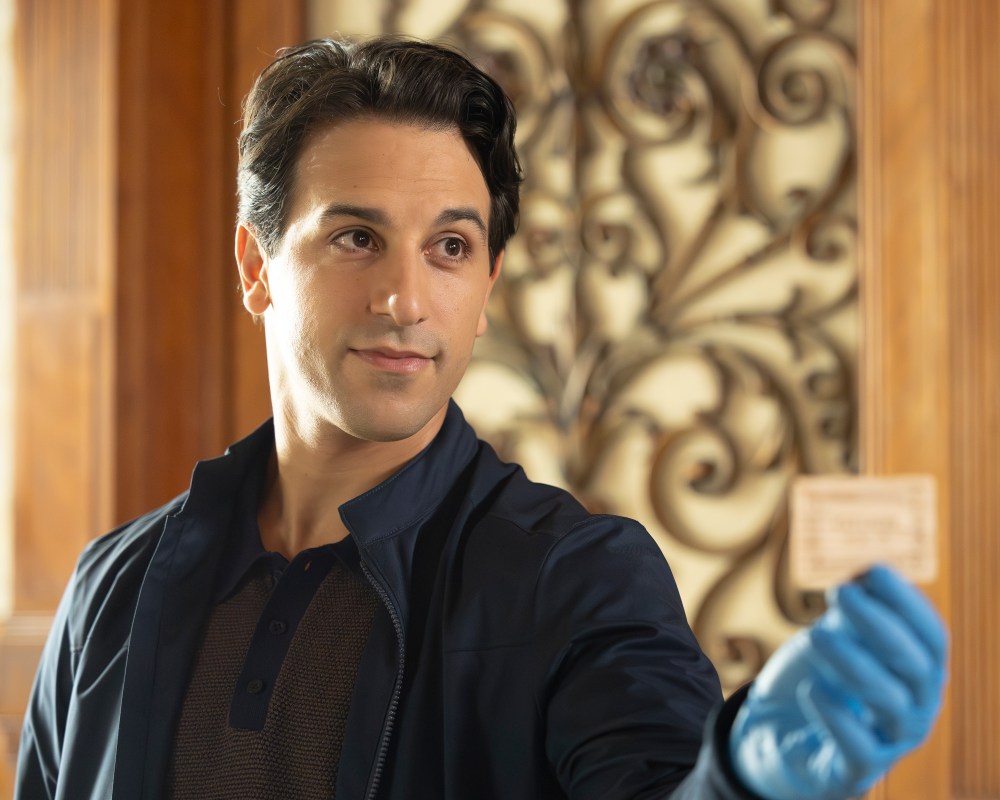
Ultimately, what keeps High Potential visually fresh is its refusal to rely on CGI. “We always ask, ‘Can we make it tangible?’” Rudenberg says. “ We did one very simple thing where we had to have a plant to grow, and we didn’t want to just CG it. We had a fake plant, and then we just pulled the plant through a hole in the bottom, and then played it backward. It’s fancy, but it’s more fun that way.”
New episodes of High Potential premiere every Tuesday.
Mathew Rudenberg’s credits include The Kroll Show, The Hard Times of RJ Berger, and Blue Mountain State. His go-to at craft services? “I’m a big tea drinker. I drink probably four or five cups of English tea a day.” Whatever it takes to keep those Morgan Visions coming!

 Meet Me at Crafty
Leave a comment